Schools
James Wold Papers at UND offer an opportunity to help find POWs, MIAs
By David Ortiz
Advertisement · Why this ad?
Erik Svenson is a passionate arts journalist with over five years of experience in cultural reporting. He graduated from Minnesota State University and has worked for various arts publications in the region, highlighting local artists and events.
More from Erik →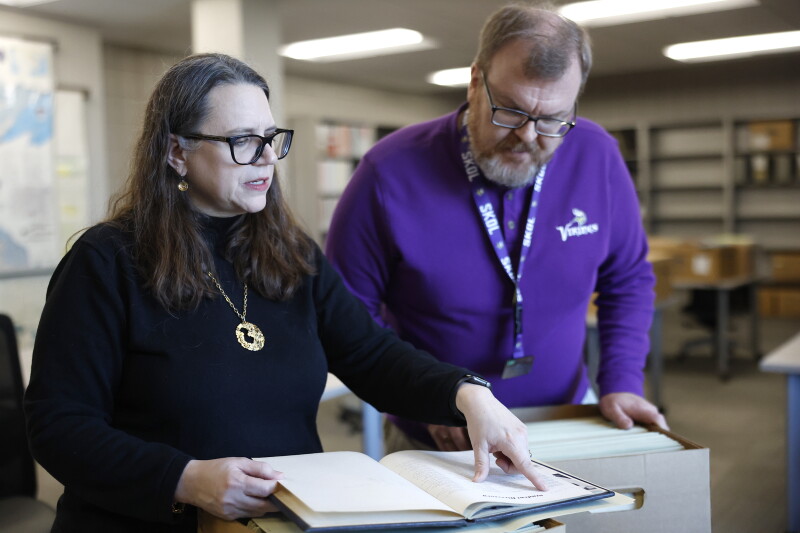
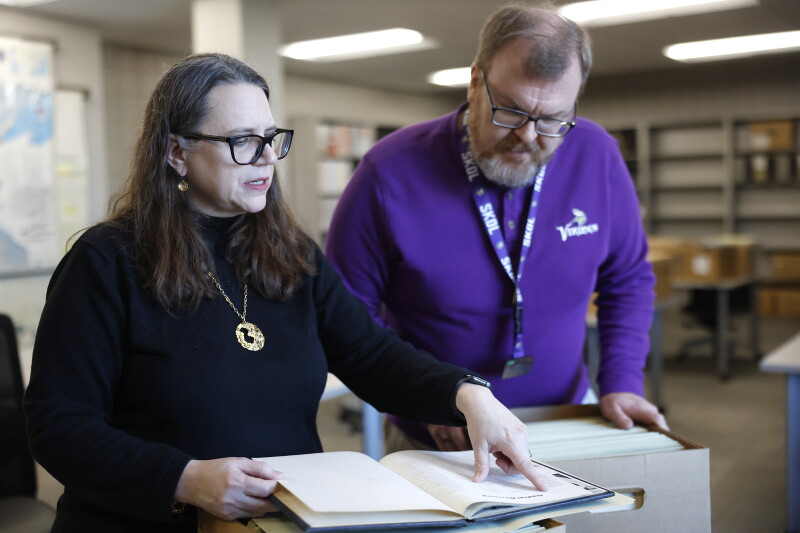
The University of North Dakota’s Elwyn B. Robinson Department of Special Collections in the Chester Fritz Library recently made a significant contribution to the search for missing American servicemen and civilians through the digitization of the Gen. James Wold Papers. This unique collaboration between Tours of Duty, a nonprofit dedicated to finding missing Americans, and UND, highlights the ongoing efforts to bring closure to families and honor those who served.
The request from Tours of Duty to access the Gen. James Wold Papers was exceptional. General Wold served as the deputy assistant secretary of defense for POW/MIA affairs and director of the Defense POW/Missing Personnel Office between 1994 and 1997, a period during which he played a pivotal role in finding American POWs and MIAs, primarily from the Vietnam War. His work included extensive efforts to locate those still unaccounted for. Wold had been deployed to South Vietnam in 1969 and flew 241 combat missions in an A-1H attack bomber. He retired from the Air Force in 1977 at Grand Forks Air Force Base and graduated from the UND School of Law in 1981.
The collection of papers, donated to the Department of Special Collections in 2007 by General Wold’s wife, JoAnne, includes documents from his service and photographs. The library digitized over 6,400 pages from these documents for Tours of Duty, a nonprofit organization dedicated to assisting families in their search for missing loved ones. This digitization effort was spearheaded by Mike Luehring, senior mission attache at Tours of Duty, who has extensive experience in research and archiving.
The search for POWs and MIAs from the Vietnam War was a defining challenge for the United States government in the decades following the conflict. Estimates of unaccounted-for American personnel varied widely, ranging from several hundred to over 2,500. The uncertainty and lack of closure weighed heavily on families and contributed to a national sense of unease. The creation of the Defense POW/Missing Personnel Office (DPMO) in 1973 reflected the government’s commitment to addressing this issue, and General Wold's leadership within that office was crucial in shaping the strategies and investigations employed.
Mike Luehring, senior mission attache at Tours of Duty, explained the significance of the Wold Papers. “That whole opportunity to see that information was valuable to us to expand our understanding and also move a lot of information into our databases,” he said. “There’s probably not one particular benefit that us having seen the information had. It was multiple things that we felt were valuable about it.” Luehring’s background in research and archiving allowed him to analyze information and notes from a period when government officials were actively seeking missing Americans in Southeast Asia.
Tours of Duty operates on the principle that every missing person deserves a thorough investigation, often going beyond what government agencies can accomplish. They frequently work directly with families, providing them with resources and support to pursue leads and uncover new information. The Wold Papers offered Tours of Duty a unique window into the government's past efforts, potentially revealing previously unexplored avenues of inquiry or providing context for existing leads.
General Wold’s tenure at the DPMO coincided with a period of shifting political dynamics in Southeast Asia. The end of the Vietnam War in 1975 had opened up new possibilities for recovery efforts, but also presented significant challenges. Relations with Vietnam were initially strained, and establishing effective communication and cooperation proved difficult. The gradual normalization of relations in the 1990s, however, paved the way for joint recovery operations and the exchange of information. Wold’s correspondence with Vietnamese military officials, as observed by Taylor during the digitization process, highlights this delicate balance between former adversaries working towards a common goal.
Curt Hanson, the library's head of Special Collections, acknowledged that helping outside researchers is typically limited due to high demand. However, he felt compelled to go above and beyond in this case. “Generally, we limit outside researchers to like an hour of our time, just because we have so many requests and so many other things to do,” Hanson said. “But in this case, I wanted to go above and beyond just because it seemed like there was a potential impact for doing so.” He emphasized the weightier nature of this project compared to genealogical research or assisting students with class presentations.
“This is weightier,” Hanson said, “the potential of this is much heavier, in that it could lead to the discovery of remains that have been overlooked, and then closure for the family.” He does not envision the digitized pages being made available on the UND Scholarly Commons, citing concerns about personal information and the need for careful handling of sensitive materials. Rosemary Pleva Flynn, associate dean of libraries and information resources, echoed this sentiment, stating that it would be better for researchers to access the documents in person.
The decision to restrict online access to the digitized Wold Papers reflects a commitment to protecting the privacy of individuals mentioned in the documents and respecting the potential distress that some information might cause to families of the missing. Many of the records contain personal details, contact information, and potentially sensitive details about investigations. Releasing such information publicly could compromise ongoing efforts and inflict further pain on those already enduring immense emotional hardship.
Mike Luehring expressed his gratitude and respect for everyone involved in the project. “I have nothing but gratitude and respect for everyone involved and how they chipped in on their time to make it all happen,” he said. While it is unclear if any of the material will directly lead to the recovery of remains, the digitization effort represents a valuable resource for ongoing search efforts.
The collaboration between Tours of Duty and UND highlights the power of partnerships in addressing complex humanitarian challenges. The digitized Wold Papers will serve as a valuable tool for researchers, investigators, and families seeking answers about the fate of missing American personnel. The project also underscores the importance of preserving historical records and making them accessible to those who can use them to bring closure and healing.
The collaboration between the University of North Dakota and Tours of Duty underscores the commitment of the Grand Forks community to supporting veterans and their families. The project serves as a reminder of the sacrifices made by those who served and the importance of continued efforts to bring closure to those affected by conflict. The digitization of the Wold Papers offers a tangible way to honor their memory and assist in the ongoing search for missing Americans.
Grand Forks’ connection to the military runs deep. The presence of Grand Forks Air Force Base has been a defining feature of the region's economy and culture for decades. The base’s history is intertwined with the city’s development, providing jobs, attracting families, and shaping the community’s identity. UND’s School of Law, where General Wold earned his degree, has also played a significant role in training military personnel and contributing to national defense efforts.
While the digitization project is complete, the work of Tours of Duty and the ongoing search for missing personnel continues. The digitized Wold Papers will be carefully reviewed by Tours of Duty’s researchers, who will cross-reference the information with existing databases and pursue any promising leads. The collaboration between Tours of Duty and UND may also lead to further digitization projects, expanding the availability of valuable historical records for those seeking answers about the fate of missing Americans. The hope remains that these efforts will eventually bring closure to families and honor the memory of those who served.
By David Ortiz
By Lisa Johnson
By Isaiah Roberts
By Erik Svenson