Ukrainian drone kills two, including station employee, Russian-held nuclear plant says
Jenna Larson has been reporting on the Fargo region for over 15 years. She graduated from North Dakota State University and began her career at The Forum of Fargo-Moorhead before joining the Bison Current network. Jenna's focus is on community events, local initiatives, and the stories that make Fargo unique.
More from Jenna →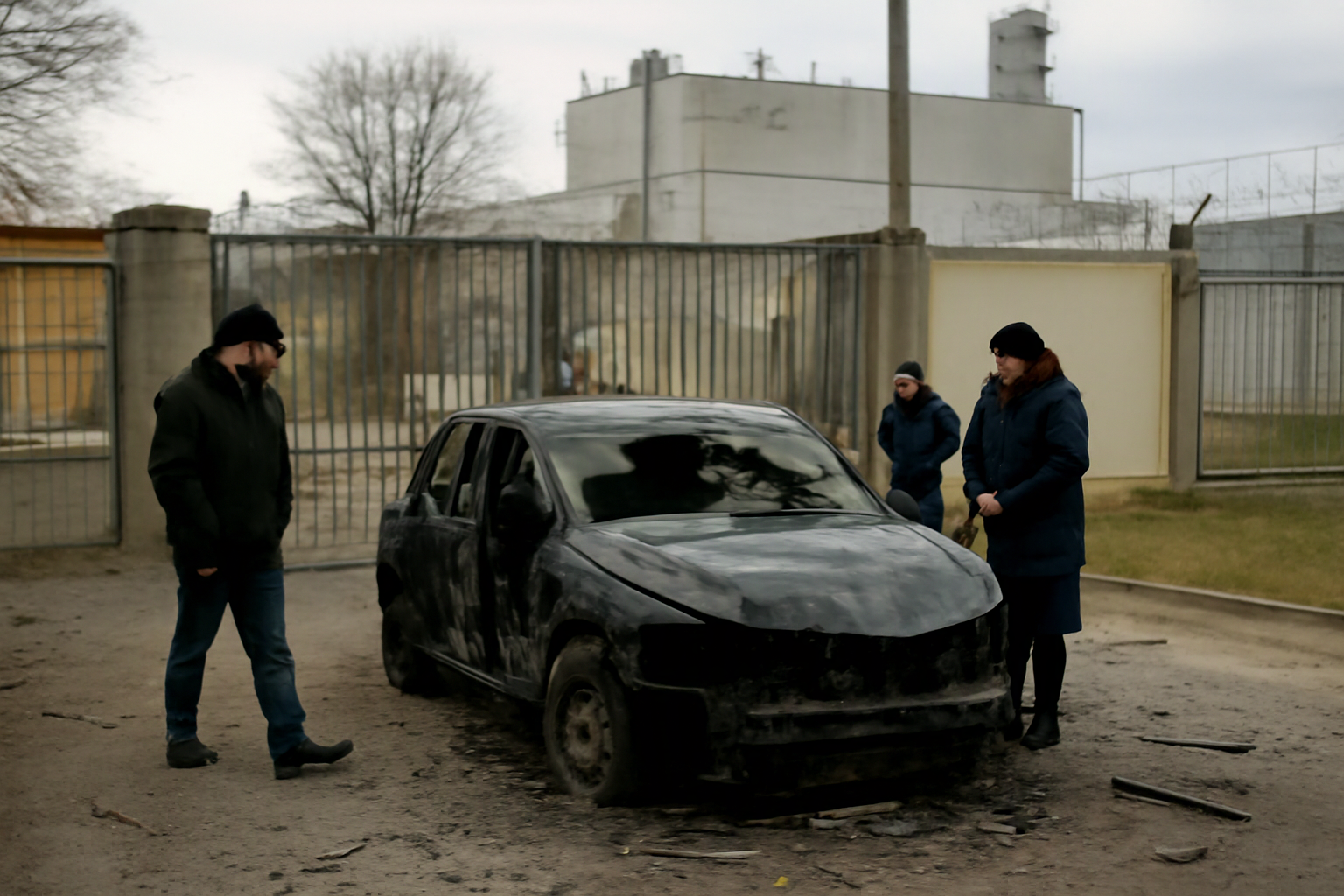
On a quiet November morning, the world was reminded of the fragility of peace as news broke from the Zaporizhzhia nuclear power plant in Ukraine. A drone strike, attributed to Ukrainian forces, claimed the lives of two individuals in a car, one of whom was a female employee of the facility. This tragic incident underscores the ongoing conflict and the human toll it continues to exact on those caught in the crossfire.
What Happened
On November 3, management at the Zaporizhzhia nuclear power plant reported that a Ukrainian drone strike had killed two people in a vehicle, including a woman who worked at the station. The statement did not specify the location of the incident, but it marked a significant escalation in the ongoing conflict surrounding this critical facility. This employee was the third person killed in just two weeks, bringing the total number of fatalities at the plant to thirteen since April.
The management described the attack as “targeted terrorism,” emphasizing that innocent civilians should not become victims of such violence. The statement reflects the heightened tensions and the precarious situation surrounding the plant, which has been a focal point of military actions since Russia’s invasion of Ukraine began in February 2022. The ongoing war has led to accusations from both sides regarding actions that threaten nuclear safety.
Context of the Conflict
Since the onset of the invasion, the Zaporizhzhia plant, Europe’s largest nuclear power facility with six reactors, has been under the control of Russian forces. This takeover has raised international concerns about the security of nuclear materials and the potential for catastrophic incidents amid military operations. The International Atomic Energy Agency (IAEA) has been closely monitoring the situation, with Director General Rafael Grossi frequently calling for military restraint in the vicinity of the plant.
In recent weeks, the IAEA confirmed the death of an employee at the plant, although details were scarce. The situation at Zaporizhzhia is emblematic of the broader conflict, where military actions have increasingly endangered civilian lives and infrastructure. The nuclear plant stands as a stark reminder of the stakes involved in this war, with the potential for disaster looming over both Ukrainian and Russian populations.
Human Impact
The tragic loss of life at the Zaporizhzhia nuclear power plant is not just a statistic; it represents the heartache of families and communities affected by the ongoing war. The female employee who lost her life was more than just a worker at the plant; she was a daughter, a friend, and a part of a community that has endured unimaginable hardship. Each casualty in this conflict ripples through families, creating a tapestry of grief and loss that extends far beyond the immediate circumstances of their deaths.
As the war drags on, the stories of those impacted become increasingly urgent. Families are torn apart, and communities are left to grapple with the aftermath of violence. The emotional toll of such incidents is profound, as loved ones are left to navigate their grief amid a backdrop of ongoing conflict and uncertainty.
Community Reaction
The news of the drone strike has reverberated through both Ukraine and the international community. Many have expressed outrage at the continued violence and the targeting of civilians. Local leaders and international organizations have called for an immediate ceasefire and a return to dialogue, emphasizing the need for peace and stability in the region.
In Ukraine, the response has been one of mourning and anger. Citizens are calling for accountability and a cessation of hostilities that endanger innocent lives. The emotional weight of these attacks is felt deeply, as families worry for their safety and the safety of their loved ones. The community's resilience is tested daily, as they navigate the complexities of life amid war.
Local activists have organized vigils to honor the lives lost, with candles lit in memory of the deceased. These gatherings serve as a poignant reminder of the human cost of the conflict, drawing attention to the urgent need for peace. Community leaders emphasize the importance of unity, urging residents to support one another as they face the challenges brought about by the ongoing violence.
International Response
The international community has also reacted to the escalating violence surrounding the Zaporizhzhia nuclear power plant. Various governments and organizations have condemned the attacks on civilians, calling for urgent action to protect those caught in the crossfire. The IAEA continues to advocate for military restraint, urging both sides to prioritize the safety of the nuclear facility and its employees.
Moreover, the situation at Zaporizhzhia has sparked discussions about the broader implications of military actions near nuclear sites. Experts warn that continued hostilities could lead to catastrophic consequences, not just for Ukraine but for the entire region. The international community is watching closely, recognizing that the fate of the Zaporizhzhia plant could have far-reaching effects on global security.
In response to the incident, several countries have reiterated their support for Ukraine, pledging humanitarian aid and assistance to help those affected by the conflict. The United Nations has called for an emergency meeting to address the escalating violence and to discuss potential measures to ensure the safety of civilians and critical infrastructure.
What's Next
As the conflict continues, the future of the Zaporizhzhia nuclear power plant remains uncertain. With each passing day, the potential for further violence looms large, and the safety of both employees and the surrounding communities hangs in the balance. The IAEA's calls for restraint are critical, but the reality on the ground is fraught with danger.
Looking ahead, it is essential for both Ukrainian and Russian leaders to prioritize dialogue and seek peaceful resolutions to the ongoing conflict. The world watches as the situation unfolds, hoping for a return to stability and safety for those affected by the war. The sacrifices made by individuals like the female employee who lost her life in the recent drone strike must not be in vain; their stories should serve as a catalyst for change and a reminder of the urgent need for peace.
As the international community continues to engage in diplomatic efforts to resolve the conflict, grassroots movements within Ukraine are also gaining momentum. Activists are advocating for a ceasefire and the establishment of safe zones around critical infrastructure, including the Zaporizhzhia plant. These initiatives highlight the desire for peace among ordinary citizens who are weary of the violence and its consequences.
Ultimately, the situation at Zaporizhzhia is a microcosm of the larger conflict in Ukraine, underscoring the need for a comprehensive approach to peace that addresses the root causes of the violence and prioritizes the safety and well-being of civilians.